

Dental Health & Prevention
Complete Guide to Dental Problems: Symptoms, Causes, Treatments & When to See a Dentist

A tooth that hurts when you drink cold water, gums that bleed while brushing, or bad breath that keeps returning can be easy to ignore at first. Many people wait until the discomfort becomes difficult to manage before booking a dental appointment.
However, dental problems do not always begin with severe pain. Cavities, gum disease, cracks, and other oral-health conditions can develop gradually, sometimes without noticeable symptoms in their early stages.
Understanding the warning signs can help you recognise when something may be wrong, what could be causing it, and when professional dental care is needed.
This guide covers common dental problems, their causes, possible treatments, prevention, and the signs that should prompt you to seek dental care.
What Are the Most Common Dental Problems?
Common dental problems include tooth decay, gum disease, tooth sensitivity, persistent bad breath, cracked teeth, dental infections, and wisdom tooth complications.
Some conditions affect the hard structures of the teeth, while others involve the gums, dental pulp, or surrounding tissues.
The appropriate treatment depends on the underlying cause and the severity of the problem.
Common Dental Problems at a Glance
| Dental problem | Common warning signs | Possible treatment |
|---|---|---|
| Tooth decay | Sensitivity, visible holes, toothache | Fluoride treatment for early decay, fillings or other restorations |
| Gum disease | Bleeding, redness, swollen gums | Professional cleaning and periodontal treatment |
| Tooth sensitivity | Pain with hot, cold, or sweet foods | Desensitising care or treatment of the underlying cause |
| Cracked tooth | Pain while biting, sensitivity | Bonding, a crown, root canal treatment, or extraction depending on severity |
| Dental abscess | Swelling, persistent pain, pus | Treatment of the infection's source, sometimes including drainage |
| Bad breath | Persistent unpleasant breath | Oral hygiene measures and treatment of the underlying cause |
| Wisdom tooth problems | Pain, swelling, difficulty opening the mouth | Monitoring, cleaning, treatment of inflammation, or extraction when indicated |
These symptoms can overlap. A dental examination is often necessary to distinguish between conditions that initially appear similar.
1. Tooth Decay and Cavities
Tooth decay is one of the most common dental problems. It develops when acids produced by bacteria in dental plaque gradually damage the tooth structure.
Frequent exposure to sugars, inadequate plaque removal, and other individual risk factors can increase the likelihood of decay.
What Are the Early Signs of a Cavity?
Early tooth decay may not cause any pain. As it progresses, you might notice:
- White, brown, or dark spots on a tooth
- Sensitivity to sweet, cold, or hot foods
- Food getting trapped in a particular area
- A visible hole in the tooth
- Pain while chewing
A visible dark spot does not always mean that a cavity is present, so a dentist should assess the tooth before treatment is decided.
Can a Cavity Heal on Its Own?
Early mineral loss before a cavity has formed may sometimes be reversed through remineralisation, supported by fluoride and improved oral hygiene.
Once a physical hole has formed in the tooth, the lost structure generally cannot grow back. A filling or another restoration may be necessary.
What Happens If You Ignore a Cavity?
An untreated cavity can become deeper and eventually affect the dental pulp, the soft tissue inside the tooth.
Depending on the extent of the damage, treatment may involve a filling, a crown, root canal treatment, or extraction if the tooth cannot be restored. Read more about what happens if you ignore a cavity.
When to see a dentist: Arrange an examination if you notice a visible cavity, persistent sensitivity, or toothache. Do not wait for severe pain to develop.
2. Gum Disease and Bleeding Gums
Gum disease affects the tissues surrounding and supporting your teeth. It often begins with gingivitis, an inflammatory condition commonly associated with plaque buildup.
If periodontal disease progresses, it can damage the supporting tissues and bone around the teeth.
Why Do Gums Bleed While Brushing?
The most common cause is gum inflammation caused by plaque accumulation along the gumline.
Other contributing factors can include brushing trauma, hormonal changes, certain medications, and underlying health conditions.
What Are the Warning Signs of Gum Disease?
Look out for:
- Bleeding during brushing or flossing
- Red or swollen gums
- Persistent bad breath
- Gum recession
- Tenderness around the teeth
- Loose teeth in advanced cases
Gum disease can sometimes progress with limited discomfort, which makes regular dental examinations important.
How Is Gum Disease Treated?
Treatment depends on its severity. Gingivitis may improve with effective plaque removal and professional cleaning. More advanced periodontal disease may require deeper cleaning, additional periodontal treatment, and ongoing maintenance.
When to see a dentist: Seek an examination if your gums bleed regularly, remain swollen, or appear to be receding.
3. Tooth Sensitivity
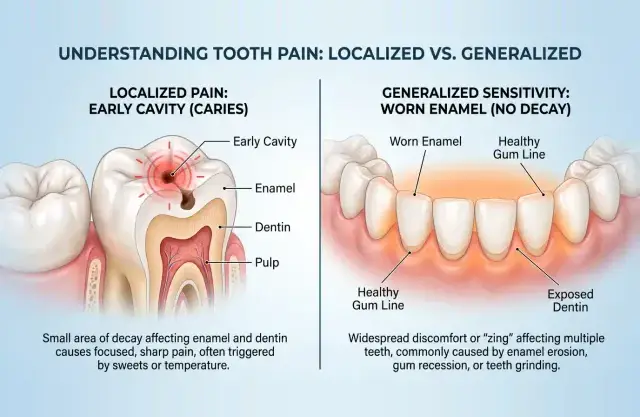
Tooth sensitivity causes discomfort when teeth come into contact with particular temperatures, foods, or other triggers.
It can occur when dentin becomes exposed because of enamel wear or gum recession. Cavities, cracks, and dental restorations can also contribute.
Why Does a Tooth Hurt When Drinking Cold Water?
Cold water can stimulate exposed dentin and produce a sharp, brief sensation.
However, sensitivity in one particular tooth may also indicate decay, a crack, or another problem that requires treatment. Learn more about why teeth hurt with cold or hot foods.
How Can You Reduce Tooth Sensitivity?
You may benefit from:
- Using a soft-bristled toothbrush
- Brushing gently with fluoride toothpaste
- Trying a desensitising toothpaste
- Reducing frequent exposure to acidic foods and drinks
- Addressing teeth grinding if present
These measures may help, but persistent sensitivity needs assessment to identify its cause.
When to see a dentist: Book an appointment if the sensitivity worsens, affects one tooth, occurs spontaneously, or continues after a hot or cold stimulus has been removed.
4. Toothache and Dental Pain
Toothache can range from mild discomfort to severe, throbbing pain that interferes with eating or sleeping.
Its causes include tooth decay, pulp inflammation, cracks, dental abscesses, gum problems, and impacted wisdom teeth.
Why Does a Tooth Hurt Without an Obvious Trigger?
Pain that develops without eating or drinking can sometimes indicate inflammation inside the tooth or an infection around its root.
Pain that interrupts sleep or persists after a temperature stimulus has been removed also deserves attention. See 7 signs you should not ignore your dental pain.
What Should You Do When You Have a Toothache?
Avoid chewing on the affected side and arrange a dental examination. Do not place aspirin directly on your tooth or gums, as this can damage the tissues.
Painkillers may temporarily relieve discomfort, but they do not treat the underlying dental problem.
When to seek urgent care: Severe pain, facial swelling, or suspected dental abscess requires prompt dental assessment. Difficulty breathing or swallowing requires emergency medical attention.
5. Cracked, Chipped or Broken Teeth
Teeth can become cracked or chipped because of injuries, biting hard objects, extensive decay, or repeated pressure from grinding.
Some cracks are difficult to see and may not cause continuous pain.
What Are the Signs of a Cracked Tooth?
Possible signs include:
- Sharp pain when biting or releasing a bite
- Sensitivity to hot or cold foods
- Discomfort that comes and goes
- A visible chip or fracture
- Irritation around the affected tooth
Can a Cracked Tooth Heal on Its Own?
No. A crack in the hard structure of a tooth does not heal naturally like a small cut in the skin.
Treatment depends on the location and depth of the crack. Options may include bonding, a crown, root canal treatment, or extraction when the damage is too extensive.
When to see a dentist: Arrange an examination promptly if you suspect a cracked tooth, particularly if chewing causes pain.
6. Bad Breath That Keeps Returning
Bad breath, also known as halitosis, can affect confidence and social interactions.
Although certain foods can temporarily change breath odour, persistent bad breath may be associated with oral-health problems.
What Causes Persistent Bad Breath?
Possible causes include:
- Bacteria and plaque buildup
- Gum disease
- Food trapped between teeth
- Dry mouth
- Poorly cleaned dentures or oral appliances
- Certain foods, medications, or medical conditions
How Can You Manage Bad Breath?
Brush twice a day, clean between your teeth, gently clean your tongue, stay hydrated, and maintain any removable dental appliances as directed.
Mouthwash may temporarily improve breath, but it may not address the underlying cause.
When to see a dentist: If bad breath persists despite consistent oral hygiene, a dental examination can help identify possible causes.
7. Wisdom Tooth Problems
Wisdom teeth are the last molars to emerge, usually during late adolescence or early adulthood, although timing varies.
Some wisdom teeth erupt without causing problems. Others may become impacted, partially erupt, or create areas where food and bacteria accumulate.
What Are the Signs of a Problematic Wisdom Tooth?
Symptoms may include:
- Pain at the back of the mouth
- Swollen or tender gums
- Food getting trapped around the tooth
- Difficulty opening the mouth
- Unpleasant taste or discharge
- Swelling around the jaw
Do All Wisdom Teeth Need to Be Removed?
No. Wisdom teeth do not automatically need extraction simply because they are present.
Removal may be recommended when a tooth causes recurring infection, decay, damage to neighbouring teeth, or other clinically significant problems.
When to see a dentist: Seek an assessment if you develop recurring pain, swelling, or difficulty opening your mouth.
8. Dental Abscess and Tooth Infection
A dental abscess is a collection of pus caused by a bacterial infection. It can develop around the root of a tooth or in the surrounding gum tissues.
A dental abscess needs prompt professional treatment because the infection may spread.
What Are the Symptoms of a Dental Abscess?
Possible symptoms include:
- Persistent or severe toothache
- Swelling in the gums or face
- Pain when biting
- Pus or an unpleasant taste
- Fever
- Tender lymph nodes or feeling unwell
Not every dental infection produces all these symptoms.
How Is a Dental Abscess Treated?
Treatment generally involves addressing the source of the infection. Depending on the cause, this may involve drainage, root canal treatment, or extraction.
Antibiotics may be indicated in some circumstances, but they do not replace necessary dental treatment to control the source of the infection.
When to seek emergency care: Facial or neck swelling that spreads rapidly, difficulty breathing, or difficulty swallowing requires emergency medical attention.
9. Tooth Loss and Missing Teeth
Missing teeth can affect chewing, speech, appearance, and the distribution of forces across the remaining teeth.
Tooth loss can result from advanced gum disease, extensive decay, trauma, or other dental conditions.
What Are the Options for Replacing Missing Teeth?
Depending on your circumstances, options may include:
- Dental implants
- Dental bridges
- Partial dentures
- Complete dentures
Each option has different advantages, limitations, costs, and maintenance requirements.
Do All Missing Teeth Need to Be Replaced?
Not every missing tooth requires the same approach. The decision depends on its location, your bite, oral health, function, preferences, and other clinical factors.
A dentist can assess whether replacement would be beneficial and explain the available options.
10. Teeth Grinding and Jaw Discomfort
Teeth grinding, also known as bruxism, involves clenching or grinding the teeth. It can occur during sleep or while awake.
Some people experience no obvious symptoms, while others develop tooth wear, jaw discomfort, headaches, or sensitivity.
What Are the Signs of Teeth Grinding?
Common signs include:
- Flattened or worn tooth surfaces
- Jaw tightness or soreness
- Tooth sensitivity
- Headaches, particularly on waking
- Chipped teeth or damaged restorations
These symptoms can have other causes, so a professional assessment is important.
How Is Teeth Grinding Managed?
Treatment depends on its cause and severity. A dentist may recommend a protective night guard, management of contributing factors, or treatment for associated dental problems.
A night guard can protect teeth from some grinding damage, but it does not necessarily stop the grinding itself.
How Can You Prevent Common Dental Problems?
Many dental problems are influenced by daily habits. Although not every condition is preventable, consistent oral care can reduce the risk of tooth decay and gum disease.
Brush Twice a Day With Fluoride Toothpaste
Brush for around two minutes using a soft-bristled toothbrush and a gentle technique.
Clean Between Your Teeth Daily
Floss or use suitable interdental brushes to remove plaque from areas that your toothbrush may not reach.
Limit Frequent Sugar Exposure
The frequency of sugary snacks and drinks matters. Reducing repeated exposure can help lower the risk of tooth decay.
Avoid Tobacco
Smoking and tobacco use can increase the risk of gum disease and affect oral health.
Protect Your Teeth From Injury
Use an appropriate mouthguard for contact sports and avoid biting hard objects that can fracture teeth.
Visit a Dentist Regularly
Your dentist can recommend an appropriate checkup schedule based on your oral health, history of dental problems, and risk factors.
How Often Should You Visit a Dentist?
Many people use six-monthly dental checkups as a routine, but there is no single interval suitable for everyone.
Some patients may need more frequent visits because of gum disease, repeated cavities, dental implants, orthodontic treatment, or other risk factors.
Others may be advised to attend at different intervals depending on their oral health.
Regular examinations can help detect problems that have not yet caused noticeable symptoms. Read more about how often you should visit a dentist.
When Should You See a Dentist Immediately?
Certain dental symptoms should not wait for a routine appointment.
Seek prompt dental care if you experience:
- Severe or persistent tooth pain
- Swelling around a tooth or in the face
- A suspected dental abscess
- A broken or displaced tooth following an injury
- Significant bleeding from the mouth
- Rapidly worsening oral symptoms
Difficulty breathing or swallowing, or rapidly spreading facial or neck swelling, requires emergency medical attention.
How to Choose the Right Dentist in Ahmedabad
If you are looking for dental care in Ahmedabad, choose a dentist based on your clinical needs rather than relying only on online ratings or promotional claims.
Consider the following factors:
Qualifications and Relevant Experience
Check the dentist's professional qualifications and experience with the treatment you may require.
Appropriate Diagnosis
A dentist should examine the affected area, explain the likely cause, and recommend diagnostic tests when clinically necessary.
Clear Treatment Planning
You should understand your treatment options, expected appointments, potential risks, and estimated costs before proceeding.
Hygiene and Infection Control
Appropriate instrument sterilisation and infection-control practices are essential for safe dental care.
Follow-Up and Long-Term Care
Consider whether the clinic can support the follow-up and maintenance your treatment may require.
For patients in Vastrapur and surrounding areas, Karnavati Dental Care is one local option to consider for a dental consultation and assessment of oral-health concerns.
Conclusion
Dental problems can range from mild sensitivity to conditions that require urgent treatment. Recognising the symptoms early can help you understand when professional advice is needed and reduce the risk of a problem becoming more complicated.
Good oral hygiene, sensible dietary habits, and regular dental examinations are important parts of maintaining healthy teeth and gums. However, if you experience persistent pain, swelling, bleeding, or other unusual changes, do not rely on home remedies alone.
If you are in Ahmedabad and have concerns about your teeth or gums, consider arranging a dental consultation to understand the cause of your symptoms and the treatment options available.
The goal is not simply to treat dental problems when they appear, but to protect your oral health through informed decisions, appropriate treatment, and consistent preventive care.