

Dental Health & Prevention
How Often Should You Visit a Dentist? A Complete Guide to Dental Checkups
A dental checkup is not only necessary when you have a toothache.
Many dental problems can develop gradually without causing noticeable symptoms in their early stages. Regular dental visits give your dentist an opportunity to examine your teeth and gums, identify potential problems, and recommend preventive care before a small issue becomes more complicated.
But how often should you actually visit a dentist?
There is no single schedule that applies to everyone. The appropriate frequency depends on your oral health, dental history, risk of tooth decay or gum disease, age, lifestyle, and any ongoing dental treatment.
For some people, routine dental examinations may be appropriate at regular intervals, while others may need to visit more frequently because of existing dental problems or higher risk factors.
What Is a Dental Checkup?
A dental checkup is an examination of your oral health performed by a dentist.
During the appointment, the dentist may assess your:
- Teeth
- Gums
- Bite
- Existing dental restorations
- Oral tissues
- Signs of tooth decay
- Signs of gum disease
- Other changes in the mouth
Depending on your symptoms, dental history, and examination findings, the dentist may recommend X-rays or other diagnostic tests.
What Happens During a Dental Checkup?
A routine appointment may include:
- Discussion of your dental and medical history
- Examination of your teeth and gums
- Checking for signs of tooth decay
- Assessment of gum health
- Evaluation of existing fillings, crowns, or other restorations
- Oral-hygiene guidance
- Professional cleaning when appropriate
- Dental X-rays or other diagnostic tests when clinically necessary
Not every patient requires the same examinations or tests at every appointment.
How Often Should You Visit a Dentist?
For many people, a dental checkup every six months is a commonly used routine schedule.
However, six months is not a universal rule.
Some patients may benefit from more frequent visits, while others with good oral health and lower risk may be advised to attend at a different interval.
Why Is There No One-Size-Fits-All Schedule?
Your dentist considers several factors when determining how often you should have a checkup.
These can include:
- History of cavities
- Gum health
- Oral hygiene
- Previous dental treatments
- Age
- Tobacco use
- Diet
- Dry mouth
- Certain medications
- Medical conditions
- Pregnancy and hormonal changes
- Orthodontic treatment
- Dental implants or other restorations
The goal is to choose a schedule appropriate for your individual level of risk rather than simply following a fixed calendar.
Why Are Regular Dental Checkups Important?
Regular dental examinations are primarily about prevention and early detection.
Dental Problems May Not Cause Pain Immediately
A cavity can become larger before causing significant discomfort.
Similarly, early gum disease may not produce obvious symptoms that a patient notices at home.
Regular examinations can help identify these problems earlier.
Early Treatment May Be Simpler
When a dental problem is identified at an earlier stage, treatment may sometimes be less extensive.
For example, detecting tooth decay before it reaches the deeper layers of the tooth may allow it to be treated with a restoration rather than requiring more complex treatment.
Early detection does not guarantee a simpler treatment in every case, but it can give the dentist more options.
How Often Should You Get Your Teeth Professionally Cleaned?
Professional dental cleaning is different from a dental examination.
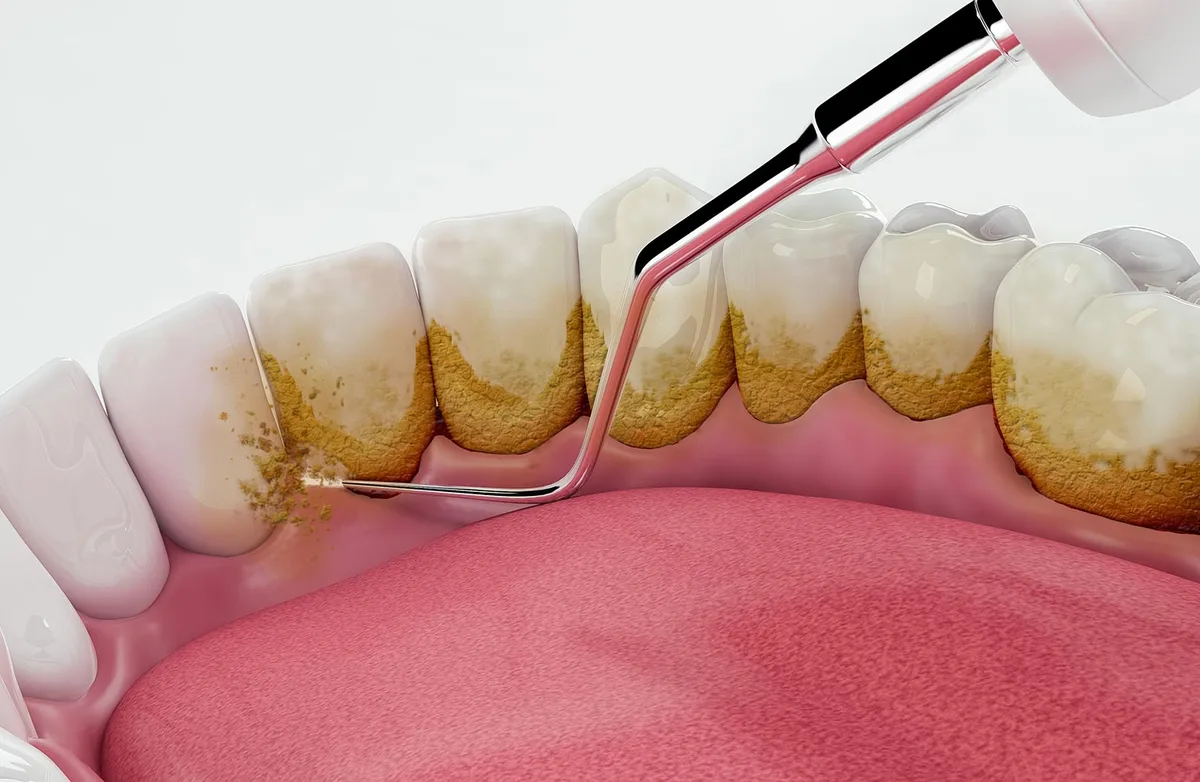
During professional cleaning, plaque, calculus, and surface deposits that cannot be effectively removed through regular brushing may be removed using professional instruments.
Does Everyone Need Professional Cleaning Every Six Months?
Not necessarily.
The appropriate frequency depends on factors such as:
- Plaque and tartar buildup
- Gum health
- History of gum disease
- Oral hygiene
- Tobacco use
- Other individual risk factors
Some patients may need professional cleaning more frequently, while others may need it less often.
Your dentist or dental hygienist can recommend an appropriate schedule.
What Happens If You Do Not Visit the Dentist Regularly?
Skipping dental visits does not necessarily cause immediate problems, but it can mean that developing issues remain undetected.
Over time, untreated dental problems can become more complicated.
Untreated Tooth Decay
A small cavity can progress deeper into the tooth.
If decay reaches the pulp, the tooth may eventually require root canal treatment or, if it cannot be saved, extraction.
Untreated Gum Disease
Gum disease can progress from inflammation of the gums to damage affecting the tissues and bone supporting the teeth.
Early gum disease is generally easier to manage than advanced periodontal disease.
Problems With Existing Dental Work
Fillings, crowns, bridges, dentures, and implants also require ongoing monitoring.
A regular examination allows your dentist to check their condition and identify potential problems.
How Often Should Children Visit a Dentist?
Children should receive dental care from an early age.
Their dental needs change as they grow, and regular visits can help parents and children establish good oral-health habits.
Why Are Dental Visits Important for Children?
Dental visits can help with:
- Monitoring tooth development
- Detecting cavities
- Teaching effective brushing
- Assessing oral hygiene
- Discussing diet and sugary food or drink consumption
- Monitoring the development of the bite and jaw
- Identifying orthodontic concerns when appropriate
Parents should follow the dental schedule recommended by their child’s dentist based on individual needs.
How Often Should You Visit a Dentist During Orthodontic Treatment?
Patients wearing braces or undergoing other orthodontic treatment generally need regular appointments with their orthodontic team.
These appointments are used to monitor tooth movement, make adjustments where necessary, and assess oral health during treatment.
Why Is Oral Hygiene Especially Important With Braces?
Brackets and wires can create additional areas where food and plaque accumulate.
Poor oral hygiene during orthodontic treatment can increase the risk of tooth decay and gum problems.
Your orthodontic and dental team can recommend appropriate brushing and interdental-cleaning techniques.
How Often Should You Visit a Dentist if You Have Dental Implants?
Dental implants require ongoing maintenance even after the final crown or restoration has been placed.
Regular dental examinations allow your dentist to assess:
- Implant stability
- Gum condition
- Bone and surrounding tissues
- Implant-supported restorations
- Oral hygiene
- Signs of inflammation or other complications
The appropriate follow-up schedule depends on your individual implant treatment and oral-health risk.
Do You Need More Frequent Dental Visits if You Have Gum Disease?
Patients with a history of gum disease may need more frequent professional monitoring and maintenance.
Gum disease can recur or progress if plaque control and professional care are inadequate.
Your dentist or periodontal specialist can determine an appropriate maintenance schedule based on the severity of the condition and your response to treatment.
Should You Visit a Dentist if You Have No Symptoms?
Yes.
The absence of pain does not necessarily mean that your teeth and gums are completely healthy.
Some dental problems can remain relatively symptom-free during their early stages.
A routine examination can help identify issues that may not yet be causing noticeable discomfort.
What Are the Signs That You Should See a Dentist Sooner?
You should not wait for your next routine appointment if you develop new or persistent symptoms.
Toothache
Persistent or recurring tooth pain should be evaluated by a dentist.
Sensitivity
Sensitivity to hot, cold, sweet foods, or pressure can have several causes and may require examination if it persists.
Bleeding Gums
Occasional bleeding should not simply be ignored, particularly if it occurs regularly when brushing or flossing.
Swollen or Tender Gums
Swelling, redness, tenderness, or changes in the gums can be signs of inflammation or infection.
Bad Breath That Does Not Improve
Persistent bad breath can sometimes be associated with oral-health problems such as gum disease, although there are other possible causes.
Loose Teeth
Adult teeth should not become loose without an underlying reason. A loose tooth requires professional assessment.
A Broken or Cracked Tooth
A damaged tooth should be examined even if it does not hurt.
Mouth Sores That Do Not Heal
A persistent mouth sore or unusual oral change should be evaluated by a dental or medical professional.
What Is the Difference Between a Dental Checkup and a Dental Cleaning?
These terms are often used together, but they are not the same thing.
Dental Checkup
A checkup focuses on examining your oral health and identifying potential problems.
Dental Cleaning
A professional cleaning focuses on removing plaque, calculus, and deposits that regular brushing cannot remove effectively.
You may have both services during the same visit, depending on your needs.
Can Regular Dental Checkups Prevent Cavities?
Regular dental checkups can help identify early signs of tooth decay and allow your dentist to provide preventive advice.
However, dental visits alone cannot prevent every cavity.
Daily oral hygiene, fluoride exposure, dietary habits, and other factors also play important roles.
How Can You Reduce Your Risk of Cavities?
You can help protect your teeth by:
- Brushing regularly with fluoride toothpaste
- Cleaning between your teeth
- Limiting frequent sugary snacks and drinks
- Drinking water regularly
- Following your dentist’s preventive recommendations
- Attending appropriate dental checkups
How Can Regular Dental Visits Help Prevent Gum Disease?
Regular examinations can identify signs of gum inflammation and periodontal problems.
Professional removal of plaque and calculus can also be part of gum-health management when appropriate.
However, daily plaque control at home remains essential.
What Are Early Signs of Gum Disease?
Possible signs include:
- Bleeding during brushing or flossing
- Red or swollen gums
- Persistent bad breath
- Gum tenderness
- Receding gums
- Changes in the way teeth fit together
- Loose teeth in more advanced cases
If you notice these signs, arrange a dental examination rather than waiting for them to disappear.
How Often Should You Visit a Dentist During Pregnancy?
Pregnancy can bring changes to the gums and oral environment.
Some people experience increased gum sensitivity or inflammation during pregnancy.
Maintaining good oral hygiene and continuing appropriate dental care are important.
Is Dental Treatment Safe During Pregnancy?
Many necessary dental procedures can be performed during pregnancy, but treatment decisions should take your stage of pregnancy, dental condition, and overall health into account.
Tell your dentist that you are pregnant so that the dental team can plan care appropriately.
How Often Should Older Adults Visit the Dentist?
Older adults can experience an increased risk of certain oral-health problems, including tooth decay, gum disease, dry mouth, and issues involving existing restorations.
The appropriate checkup frequency depends on individual circumstances.
Patients with dentures, dental implants, multiple restorations, or a history of oral-health problems may require particular attention to ongoing maintenance.
What Can You Do Between Dental Checkups?
Dental visits are only one part of maintaining good oral health.
Brush Your Teeth Twice a Day
Use fluoride toothpaste and brush carefully for around two minutes.
Clean Between Your Teeth
Use floss, interdental brushes, or another method recommended by your dentist to clean between teeth.
Maintain a Tooth-Friendly Diet
Limit frequent consumption of sugary foods and drinks.
Avoid Tobacco
Smoking and other forms of tobacco can negatively affect oral and gum health.
Pay Attention to Changes
If you notice pain, swelling, bleeding, sensitivity, or another persistent change, contact your dentist instead of waiting for your next scheduled appointment.
How to Find a Dentist in Ahmedabad for Regular Checkups
If you are looking for a dentist in Ahmedabad, consider the clinic and dentist from a long-term care perspective rather than only for one appointment.
Look at the Dentist’s Qualifications
Check the dentist’s professional qualifications and relevant experience.
Consider the Range of Dental Services
A clinic offering comprehensive dental care may be convenient if you need additional treatment following your examination.
Look for Good Communication
Your dentist should explain what they find during the examination and help you understand any recommended treatment.
Check Hygiene and Infection-Control Practices
A clean clinical environment and appropriate sterilisation and infection-control procedures are essential.
Consider Accessibility
A conveniently located dental clinic can make it easier to maintain regular appointments and follow-up care. Our full checklist is in how to choose the best dentist in Ahmedabad.
What Happens If Your Dentist Finds a Problem During a Checkup?
Finding a dental problem during a checkup does not necessarily mean you need extensive treatment.
Your dentist should explain:
- What the problem is
- How serious it appears to be
- What treatment options are available
- Whether treatment is urgent
- What may happen if treatment is delayed
- The expected cost and timeline
For some conditions, monitoring may be appropriate. For others, early treatment may be recommended.
The correct approach depends on the diagnosis.
When Is a Dental Emergency?
Some dental problems require urgent attention rather than waiting for a routine checkup.
Seek urgent dental or medical care if you experience:
- Severe tooth pain
- Significant facial or oral swelling
- Difficulty breathing or swallowing
- Heavy bleeding that does not stop
- A serious dental injury
- Signs of a rapidly spreading infection
If you have difficulty breathing or swallowing because of swelling, seek emergency medical care immediately.
Conclusion
Regular dental checkups are an important part of maintaining your oral health, but there is no single appointment schedule that is right for everyone.
For many people, visiting a dentist around every six months is a reasonable routine, while patients with gum disease, a history of frequent cavities, orthodontic treatment, dental implants, or other risk factors may need more frequent care.
The most important point is not to wait until dental pain becomes severe.
Regular examinations, good daily oral hygiene, a balanced approach to diet, and timely treatment can help you maintain healthier teeth and gums over the long term.
If you are in Ahmedabad and it has been a while since your last dental examination, scheduling a checkup can be a simple first step toward understanding your current oral health and what, if anything, needs attention.