Dental Health & Prevention
7 Signs You Should Not Ignore Your Dental Pain

A little tooth discomfort can be easy to dismiss. You might assume it will disappear on its own, take extra care while eating, or avoid cold drinks until the pain settles.
But dental pain is often a sign that something needs attention. It may be caused by tooth decay, gum inflammation, a cracked tooth, an infection, or another oral-health problem. Although some causes are minor, others can become more serious if left untreated.
The tricky part is that the severity of your pain does not always tell you how serious the underlying problem is. Some dental conditions cause significant discomfort, while others can develop with very few symptoms.
If you experience persistent or unusual dental pain, understanding the warning signs can help you decide when to seek professional care.
Why Does Dental Pain Occur?
Dental pain can develop when the teeth, gums, dental pulp, or surrounding tissues become irritated, inflamed, damaged, or infected.
Common causes include:
- Tooth decay
- Gum disease
- Cracked or fractured teeth
- Dental abscesses
- Damaged fillings or crowns
- Teeth grinding
- Wisdom tooth problems
- Dental injuries
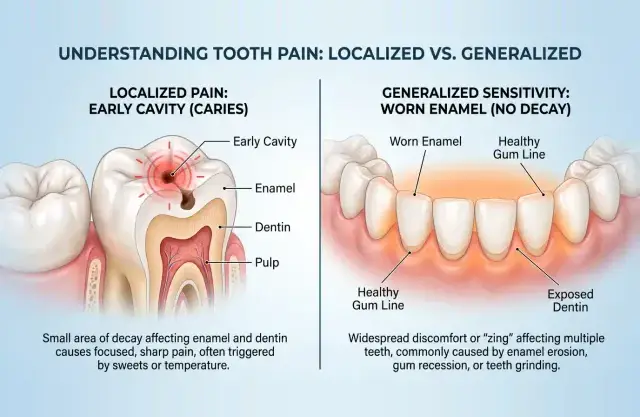
- Sensitivity caused by enamel wear or gum recession
Because several conditions can produce similar symptoms, a dental examination is the best way to identify the cause and determine the appropriate treatment.
7 Signs of Dental Pain You Should Never Ignore
1. Persistent or Recurring Toothache
A toothache that keeps returning or does not settle deserves attention.
You may experience a dull ache, throbbing discomfort, or sharp pain in one particular tooth. Sometimes the pain becomes worse when chewing or lying down.
Persistent toothache can be associated with tooth decay, inflammation of the dental pulp, a cracked tooth, or an infection around the root.
What should you do?
Arrange a dental examination rather than repeatedly relying on painkillers or home remedies. Treatment will depend on the cause and may involve a filling, another restoration, root canal treatment, or a different approach.
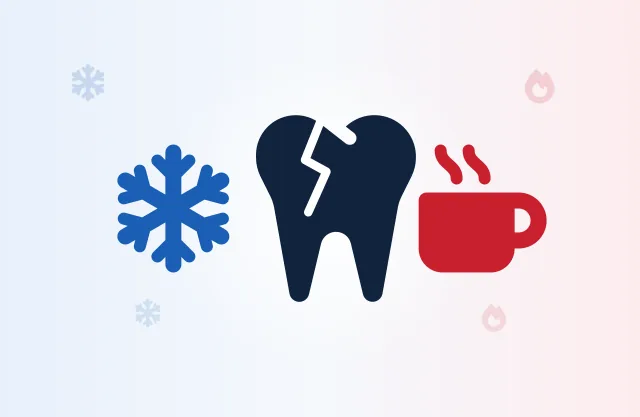
2. Sharp Pain When Eating or Drinking Hot or Cold Foods
Does your tooth hurt when you drink cold water, eat ice cream, or sip hot tea?
This may indicate tooth sensitivity, but it can also be associated with a cavity, gum recession, worn enamel, a damaged filling, or inflammation inside the tooth.
Pay attention to how long the pain lasts after the temperature stimulus is removed.
Brief sensitivity can occur with exposed dentin, while pain that lingers or becomes increasingly intense may indicate a deeper problem.
What should you do?
Use a soft-bristled toothbrush and avoid extreme temperatures if they trigger discomfort. If the sensitivity persists, affects one particular tooth, or worsens, have it examined by a dentist.
3. Pain When Biting or Chewing
If biting into food causes sharp pain, do not assume the problem will disappear by itself.
Pain while chewing can be associated with a cracked tooth, deep decay, a damaged restoration, or inflammation around the root.
Sometimes the discomfort is most noticeable when you release your bite rather than when you first bite down.
What should you do?
Avoid chewing hard foods on the affected side and arrange a dental examination. A dentist may assess your bite, examine the tooth, and recommend appropriate diagnostic tests.
Early assessment can be particularly important if a tooth is cracked, because the extent and location of the crack can affect treatment options.
4. Swelling Around Your Gums or Face
Swelling around a tooth or in the gums can indicate inflammation or infection.
You might notice a swollen gum, tenderness, a small pimple-like bump near a tooth, or swelling extending into the cheek or face.
A dental abscess is one possible cause. It is a collection of pus associated with an infection and requires professional treatment.
What should you do?
Seek urgent dental care if you suspect a dental abscess or notice significant swelling. Do not attempt to squeeze or drain the swollen area yourself.
If swelling affects breathing or swallowing, or spreads rapidly, seek emergency medical attention immediately.
5. Bleeding, Red or Tender Gums
Gum problems do not always cause toothache, but they can lead to discomfort and may signal an underlying oral-health issue.
Healthy gums generally should not bleed regularly during brushing or flossing. Repeated bleeding, redness, swelling, or tenderness can be signs of gingivitis or another gum condition.
If gum disease progresses, it can affect the tissues and bone that support your teeth.
What should you do?
Continue gentle brushing with fluoride toothpaste and clean between your teeth. Do not stop oral hygiene simply because your gums bleed.
Arrange a dental examination if bleeding continues, particularly if you also notice gum recession, persistent bad breath, or loose teeth.
6. Tooth Pain That Wakes You Up at Night
Dental pain that interrupts sleep can be especially distressing.
Pain that occurs spontaneously, becomes worse at night, or continues even when you are not eating may be associated with significant inflammation inside a tooth.
Deep decay, pulp inflammation, and dental infection are possible causes, although an examination is needed to determine the reason.
What should you do?
Contact your dentist promptly, especially if the pain is severe, recurring, or interfering with sleep.
Avoid placing aspirin directly on the tooth or gum, as it can damage the tissues. Use pain relief only as directed by a healthcare professional or according to the medicine's instructions.
7. A Broken, Cracked or Suddenly Loose Tooth
A tooth may crack or break because of an injury, biting something hard, extensive decay, or repeated stress.
You may notice sudden pain, sensitivity, a sharp edge, or discomfort while chewing. A loose adult tooth also requires assessment because it can be associated with injury or damage to the supporting tissues.
Not every crack causes obvious pain, so visible damage should not be ignored.
What should you do?
Arrange dental care as soon as possible. Avoid chewing on the damaged tooth, and keep any broken fragment if you can do so safely.
If a permanent tooth is completely knocked out, seek emergency dental care immediately. Handle the tooth by its crown rather than the root, and follow urgent dental advice about transporting or preserving it.
When Is Dental Pain a Dental Emergency?
Not every toothache requires an emergency department visit, but some symptoms need immediate attention.
Seek urgent dental care for severe pain, suspected dental abscesses, or significant swelling.
Get emergency medical help if you experience:
- Difficulty breathing or swallowing
- Rapidly spreading facial or neck swelling
- Swelling around the eye accompanied by concerning symptoms
- Severe illness or fever associated with a spreading dental infection
Do not wait for a routine appointment if you have symptoms suggesting that an infection may be spreading.
Can Dental Pain Go Away Without Treatment?
Sometimes dental discomfort settles temporarily, but that does not always mean the underlying problem has resolved.
For example, sensitivity caused by mild irritation may improve, while pain associated with decay or a crack can come and go before becoming more noticeable.
A tooth with damaged or non-vital pulp may even stop hurting despite an ongoing problem.
Pain relief is not the same as treating the cause. If symptoms persist or return, a dental examination is important.
What Treatments May Be Needed for Dental Pain?
The appropriate treatment depends on the diagnosis.
- Tooth decay: A filling or another restoration may be needed.
- Inflamed or infected dental pulp: Root canal treatment may be recommended if the tooth can be restored.
- Cracked tooth: Treatment may involve bonding, a crown, root canal treatment, or extraction, depending on the extent of damage.
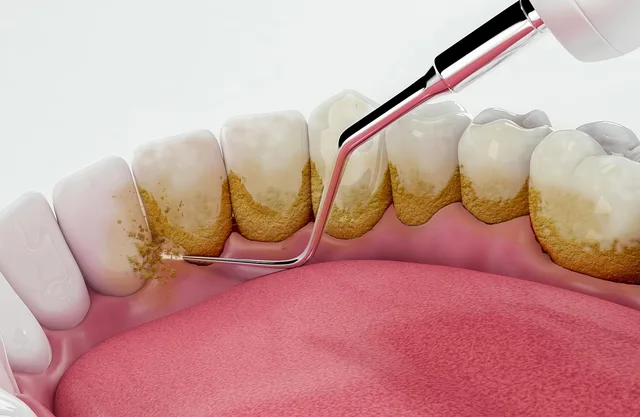
- Gum disease: Professional cleaning and other periodontal treatment may be required.
- Dental abscess: Treatment generally involves addressing the source of infection, which may include drainage, root canal treatment, or extraction.
- Dental injury: Treatment depends on the type and severity of the injury.
Antibiotics are not necessary for every toothache. A dentist or other qualified healthcare professional should determine whether they are indicated.
How Can You Reduce Your Risk of Dental Pain?
Although not every dental problem can be prevented, a few daily habits can help protect your teeth and gums.
Brush Twice a Day
Use fluoride toothpaste and a soft-bristled toothbrush. Brush gently for around two minutes.
Clean Between Your Teeth
Floss or use an appropriate interdental cleaning tool to remove plaque from areas your toothbrush cannot reach effectively.
Limit Frequent Sugary Snacks and Drinks
Frequent sugar exposure increases the risk of tooth decay. Reducing how often you consume sugary foods and drinks can help protect your teeth.
Do Not Ignore Small Dental Problems
Sensitivity, minor discomfort, and damaged fillings may seem manageable initially, but getting them assessed can help identify problems before they progress.
Attend Regular Dental Checkups
Your dentist can recommend a checkup schedule based on your oral health, dental history, and risk factors.
Conclusion
Dental pain is your body's way of signalling that something may need attention. Whether it appears as sensitivity, pain while chewing, bleeding gums, swelling, or a persistent toothache, the symptoms deserve attention when they are unusual, recurring, or worsening.
The most important thing is not to rely on pain intensity alone to judge the seriousness of a dental problem.
If you experience any of these warning signs, arrange an appropriate dental examination. Identifying the cause early can help you understand your treatment options and protect your long-term oral health.
For patients in Ahmedabad, Karnavati Dental Care can be considered as a local option for discussing dental concerns and arranging an appropriate clinical assessment.