
Smile & Cosmetic Dentistry
Teeth Whitening: Methods, Benefits, Cost, Results & How Long It Lasts
Have you noticed your teeth looking more yellow or dull than they used to? Perhaps your smile has changed colour because of tea, coffee, smoking, or simply the natural ageing process.
Tooth discolouration is common, and it can make some people feel less confident when smiling or speaking.
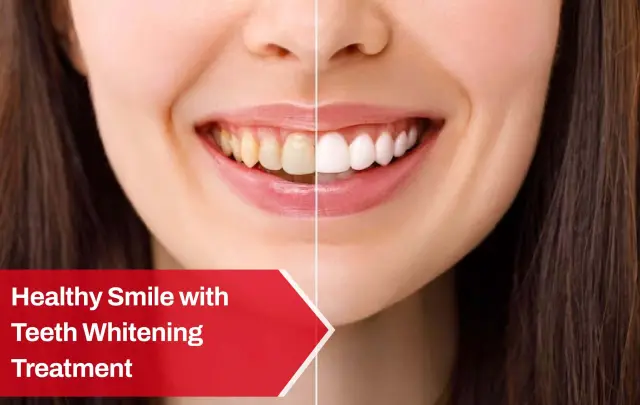
Teeth whitening is a cosmetic dental procedure designed to lighten the colour of natural teeth and reduce certain types of stains. Depending on the cause of discolouration, professional whitening may help improve the appearance of your smile.
But does teeth whitening work for everyone? Is professional whitening better than home remedies? Can it damage enamel? And how long do the results last?
This guide explains the different whitening options, how treatment works, what results to expect, and how to make an informed decision.
What Is Teeth Whitening?
Teeth whitening is a cosmetic dental procedure that uses bleaching agents, commonly hydrogen peroxide or carbamide peroxide, to lighten the colour of natural teeth.
These agents help break down coloured compounds responsible for certain types of tooth stains.
Professional teeth whitening is performed or supervised by a dental professional, who first assesses the cause of discolouration and checks whether whitening is suitable.
In simple terms: Teeth whitening helps lighten stains and discolouration on natural teeth using appropriate whitening agents. The results depend on the original tooth colour, the type of stain, and the whitening method.
Why Do Teeth Become Yellow or Discoloured?
Teeth can change colour for several reasons. Some stains develop on the outer surface, while others occur within the tooth structure.
Understanding the type of discolouration helps determine which treatment may work.
1. Food and Drinks
Tea, coffee, red wine, and certain strongly coloured foods can contribute to surface staining over time.
Frequent exposure may make teeth appear darker or less bright.
2. Smoking and Tobacco Use
Tobacco products can cause stubborn yellow or brown stains on teeth.
Smoking and tobacco use also increase the risk of gum disease and other oral-health problems, so whitening should not be considered a substitute for stopping tobacco use.
3. Ageing
As people age, the outer enamel gradually wears down, making the naturally yellowish dentin underneath more visible.
This can make teeth appear darker even when oral hygiene is good.
4. Poor Oral Hygiene
Inadequate brushing and cleaning between teeth can allow plaque and surface stains to accumulate.
Professional cleaning may improve the appearance of teeth when the discolouration is caused by deposits rather than deeper stains.
5. Certain Medications or Dental Conditions
Some medications, developmental conditions, dental injuries, and past dental treatments can cause internal tooth discolouration.
For example, certain types of staining associated with medication exposure may not respond well to conventional whitening.
6. Dental Trauma
An injured tooth can sometimes change colour because of changes within the tooth.
A single dark tooth should be examined before any whitening treatment is considered.
What Are the Different Types of Teeth Whitening?
There are several ways to improve the appearance of discoloured teeth. The most suitable option depends on the type of stain, dental health, and the patient's expectations.
1. Professional In-Clinic Teeth Whitening
In-clinic whitening is performed by a dental professional using an appropriate whitening product.
The dentist examines the teeth, checks for sensitivity or other concerns, and applies the whitening agent according to the product's instructions.
Depending on the system, the procedure may involve protective measures for the gums and surrounding soft tissues.
Some systems use a specialised light as part of the process, but light activation is not necessary for every whitening treatment and does not automatically guarantee better results.
2. Dentist-Prescribed Take-Home Whitening
In this approach, the dentist may provide custom-fitted trays and a suitable whitening gel.
The patient uses the trays at home according to the prescribed schedule.
Because the trays are made to fit the teeth, they can help deliver the whitening product in a controlled manner.
3. Over-the-Counter Whitening Products
Some whitening toothpastes, strips, and other products are available without a dental prescription.
Whitening toothpastes generally help remove some surface stains. Products containing bleaching agents may lighten certain types of discolouration, depending on their formulation and permitted use.
Not all products have the same effectiveness or safety profile. Follow the product instructions and seek dental advice if you have existing dental problems.
How Does Professional Teeth Whitening Work?
The exact process depends on the whitening system, but a typical appointment involves the following stages.
Step 1: Dental Examination
The dentist checks your teeth and gums for cavities, cracks, gum inflammation, existing restorations, and other issues.
This is important because whitening should not be started without addressing conditions that could make treatment unsuitable or uncomfortable.
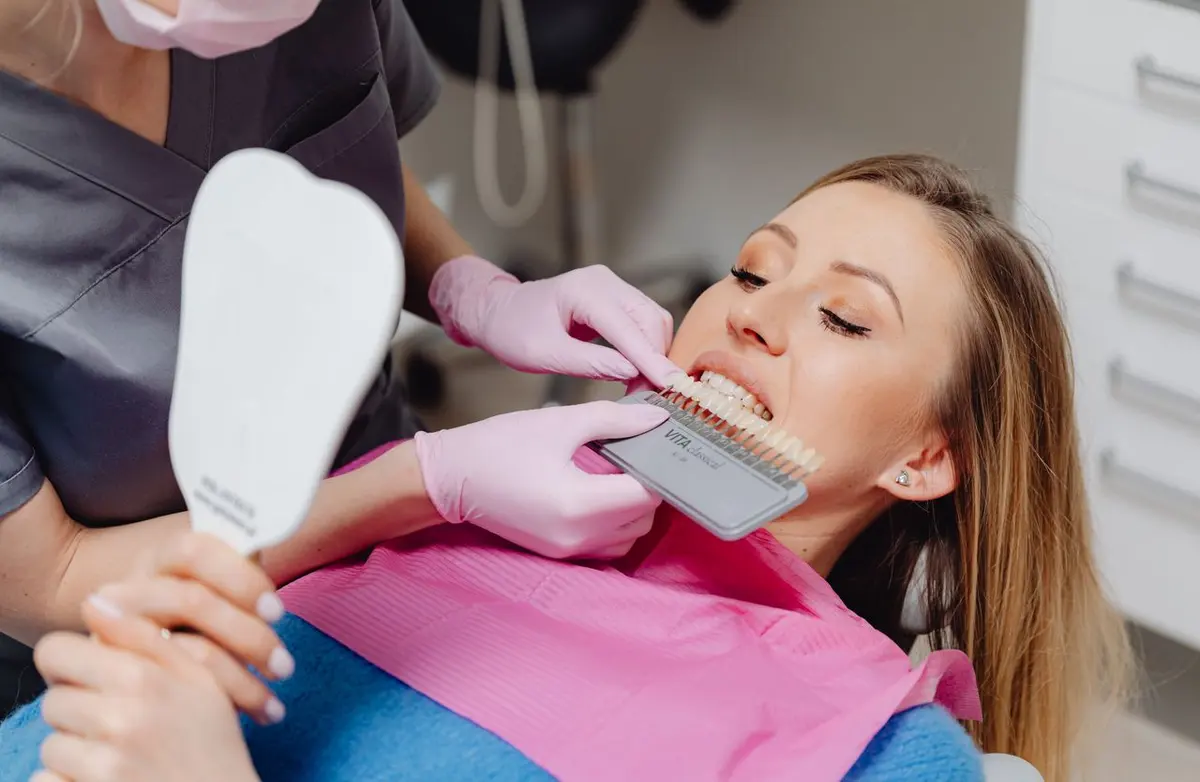
Step 2: Shade Assessment
The current tooth shade is assessed so that changes can be compared after treatment.
Your dentist can also discuss what level of improvement may realistically be achievable.
Step 3: Preparation
The teeth are cleaned when needed, and protective measures are used to prevent the whitening product from contacting the gums unnecessarily.
Step 4: Application of Whitening Agent
The whitening gel is applied according to the product's instructions.
The treatment may involve one or more applications during the appointment, depending on the system.
Step 5: Post-Treatment Assessment
The dentist reviews the outcome and provides advice about sensitivity, oral hygiene, and maintaining the result.
What Are the Benefits of Professional Teeth Whitening?
For suitable patients, professional whitening can offer several cosmetic benefits.
1. Brighter-Looking Natural Teeth
Whitening can reduce certain stains and lighten the appearance of natural teeth.
2. Dentist-Guided Treatment
A dental examination helps identify the cause of discolouration and whether whitening is appropriate.
3. Treatment Based on Individual Needs
The whitening method and schedule can be selected according to the patient's dental condition and goals.
4. More Controlled Use of Whitening Products
Professional guidance helps patients understand how to use whitening agents correctly and what precautions to follow.
5. Improved Smile Confidence
Some patients feel more comfortable smiling after improving the appearance of their teeth.
However, whitening is a cosmetic treatment. It does not improve the underlying health of teeth or gums.
Is Teeth Whitening Safe?
Professional teeth whitening is generally considered safe for suitable patients when appropriate products and instructions are followed.
However, temporary side effects can occur.
The most commonly discussed side effects are:
- Temporary tooth sensitivity.
- Mild gum irritation if whitening products contact soft tissues.
- Temporary discomfort during or after treatment.
Using whitening products too frequently or incorrectly can increase the risk of sensitivity and irritation.
A dentist should assess your oral health before treatment, particularly if you already experience sensitive teeth.
Does Teeth Whitening Damage Enamel?
When an appropriate whitening product is used correctly, professional teeth whitening is not generally considered to damage healthy enamel.
However, misuse of whitening products, excessive application, or unsuitable home remedies can cause problems.
Avoid using acidic substances, household bleach, or abrasive mixtures to whiten your teeth.
If you experience persistent sensitivity or pain, stop using the product and consult your dentist.
Is Teeth Whitening Painful?
Teeth whitening is not usually described as painful, but some people experience temporary sensitivity.
You may notice brief discomfort when consuming cold drinks or breathing in cold air.
The likelihood of sensitivity depends on factors such as:
- Your existing tooth sensitivity.
- The concentration and type of whitening product.
- The duration and frequency of application.
- The condition of your enamel and gums.
- Any untreated dental problems.
Your dentist may adjust the treatment approach if you are prone to sensitivity.
How Long Does Teeth Whitening Last?
Teeth whitening results are not permanent.
The duration depends on lifestyle habits, oral hygiene, the original tooth colour, and the whitening method used.
Results may fade faster if you frequently consume staining drinks or use tobacco.
Maintaining good oral hygiene, limiting frequent exposure to staining substances, and following your dentist's advice can help preserve the results.
Touch-up treatment may be considered when appropriate, but it should not be repeated excessively.
How Much Does Teeth Whitening Cost in Ahmedabad?
The cost of teeth whitening in Ahmedabad depends on the treatment method and the patient's individual requirements.
Factors that may affect the price include:
- Whether treatment is performed in the clinic or at home.
- The whitening system and products used.
- The number of applications or sessions required.
- The extent and type of tooth discolouration.
- Whether professional cleaning or other dental treatment is needed first.
A dental consultation can help establish whether whitening is appropriate and provide a treatment estimate.
Who Is a Good Candidate for Teeth Whitening?
Teeth whitening may be suitable for adults who:
- Have healthy teeth and gums.
- Have surface stains or suitable types of internal discolouration.
- Want to lighten the colour of their natural teeth.
- Have realistic expectations about the outcome.
- Can follow the recommended treatment instructions.
Whitening may not be appropriate for everyone.
Patients with untreated cavities, active gum disease, significant tooth sensitivity, or certain dental conditions may need other treatment first.
Whitening is also not generally recommended during pregnancy or breastfeeding because of limited safety evidence. Discuss the timing with your dentist.
Can Teeth Whitening Change the Colour of Crowns, Veneers or Fillings?
No. Conventional bleaching products work on natural tooth structure and do not change the colour of existing crowns, veneers, bridges, or fillings.
This is an important point for people who have visible restorations in their smile.
If natural teeth are whitened, existing restorations may appear darker by comparison.
Your dentist can discuss the sequence of cosmetic treatment if you have restorations on visible teeth.
Teeth Whitening vs Professional Dental Cleaning: What Is the Difference?
These treatments are often confused, but they serve different purposes.
| Feature | Teeth whitening | Professional dental cleaning |
|---|---|---|
| Main purpose | Lighten tooth colour | Remove plaque, tartar, and surface deposits |
| Method | Whitening agents | Professional cleaning instruments |
| Helps with | Suitable types of tooth discolouration | Plaque, tartar, and some external stains |
| Changes natural tooth shade | Yes, when effective | Usually does not bleach natural tooth structure |
| Cosmetic effect | Lightens teeth | Can make teeth look cleaner and brighter |
If your teeth look yellow because of tartar or surface deposits, a professional cleaning may be the appropriate first step.
How Can You Maintain Your Teeth Whitening Results?
After whitening, daily habits play an important role in maintaining the appearance of your teeth.
- Brush twice daily with fluoride toothpaste.
- Clean between your teeth every day.
- Limit frequent tea, coffee, and other staining drinks.
- Rinse your mouth with water after consuming strongly coloured beverages.
- Avoid tobacco.
- Attend regular dental checkups.
- Follow your dentist's advice before considering touch-up whitening.
You do not need to avoid every food or drink permanently. Consistent oral hygiene and sensible habits are more important.
Why Should You Consult a Dentist Before Teeth Whitening?
Tooth discolouration does not always have the same cause. A single dark tooth, for example, may need investigation rather than cosmetic whitening.
A dental examination can help determine:
- Whether the stains are on the surface or within the tooth.
- Whether cavities or gum disease need treatment first.
- Whether whitening is likely to work.
- Which method is appropriate.
- Whether existing crowns or fillings may affect the final appearance.
If you are considering professional teeth whitening in Ahmedabad, Karnavati Dental Care in Vastrapur can help you understand the available options following a dental assessment.
Final Thoughts
Teeth whitening can be an effective cosmetic option for people who want to reduce certain stains and achieve a brighter-looking smile. However, the best results begin with understanding why the teeth have changed colour.
Professional assessment helps ensure that whitening is appropriate, that existing dental problems are addressed, and that expectations are realistic.
If you are considering teeth whitening, choose a treatment based on your dental health rather than simply selecting the strongest or fastest whitening product.