

Dental Health & Prevention
Why Does My Tooth Hurt When I Drink Something Cold or Hot?
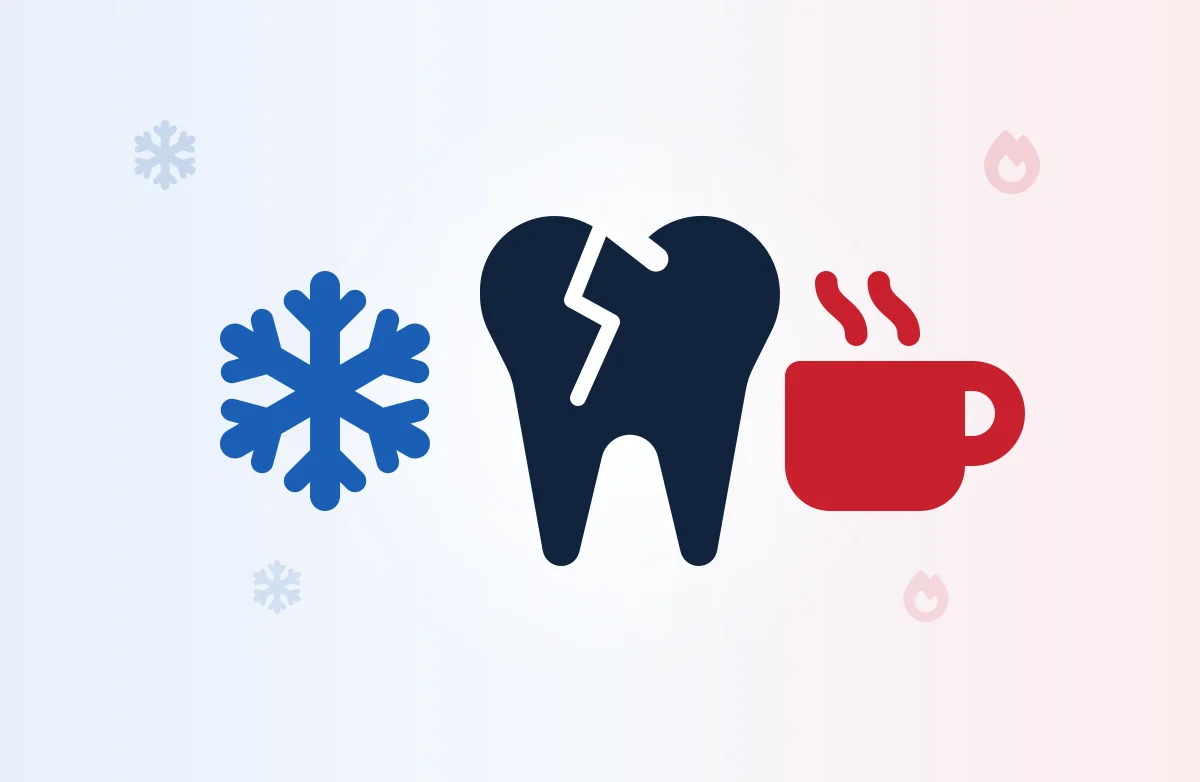
Have you ever taken a sip of cold water or hot tea and suddenly felt a sharp pain in one of your teeth?
If so, you may be experiencing tooth sensitivity. For some people, the discomfort lasts only a few seconds. For others, sensitivity can become frequent, intense, or even occur without eating or drinking anything particularly hot or cold.
Tooth sensitivity is common, but it should not always be dismissed as a minor problem. It can be caused by something as simple as enamel wear or exposed dentin, but it can also be associated with tooth decay, gum recession, a cracked tooth, or other dental conditions.
The important question is not just “Why are my teeth sensitive?” but also “What is causing the sensitivity?”
What Causes Tooth Pain When Drinking Something Cold or Hot?
Tooth pain from hot or cold foods and drinks usually occurs when the sensitive inner layers of a tooth become exposed or irritated.
Some of the most common causes include:
- Enamel erosion
- Gum recession
- Exposed tooth roots
- Tooth decay
- Cracked or damaged teeth
- Worn dental fillings
- Aggressive brushing
- Teeth grinding
- Certain dental treatments
The cause can be different from one tooth to another, which is why persistent sensitivity should be evaluated by a dentist.
How Does Tooth Sensitivity Happen?
A healthy tooth is protected by a hard outer layer called enamel.
Under the enamel is a softer layer called dentin. Dentin contains tiny microscopic channels that can transmit sensations toward the inner part of the tooth.
When enamel becomes thinner or the gums recede and expose the root surface, these areas can become more sensitive to temperature changes.
Why Does Cold Water Cause a Sharp Pain?
Cold temperatures can stimulate the exposed dentin and trigger a short, sharp sensation.
This type of sensitivity is often described as a quick “electric” or shooting pain that disappears shortly after the cold stimulus is removed.
Why Does Hot Food Cause Tooth Pain?
Heat can also trigger sensitivity.
However, pain from hot foods or drinks can sometimes be associated with deeper inflammation inside the tooth, particularly when the pain lingers after the hot food or drink is removed.
This is one reason persistent or unusual sensitivity should not be self-diagnosed.
Is Tooth Sensitivity Always a Sign of a Serious Dental Problem?
No.
Mild, occasional sensitivity does not necessarily mean that you have a serious dental condition.
For example, sensitivity can occur after certain dental procedures or when enamel has become worn.
However, new, persistent, worsening, or localised sensitivity should be checked by a dentist, particularly if it affects one specific tooth.
Common Reasons Your Tooth May Hurt With Cold or Hot Foods
Enamel Erosion
Enamel can gradually wear down because of factors such as acidic foods and drinks, acid reflux, or excessive brushing.
Once the protective enamel becomes thinner, the underlying dentin can become more exposed.
Gum Recession
When gums recede, the roots of the teeth can become exposed.
Unlike the crown of the tooth, the root does not have a protective enamel covering, making it more vulnerable to sensitivity.
Tooth Decay
A cavity can expose deeper parts of the tooth and cause sensitivity.
If decay progresses toward the pulp, the tooth may develop more significant pain and may require more extensive treatment.
Cracked or Damaged Tooth
A crack can allow temperature changes to affect sensitive structures inside the tooth.
A cracked tooth may also hurt when biting or releasing a bite.
Worn or Damaged Fillings
An old or damaged filling may no longer seal the tooth properly, potentially contributing to sensitivity.
Your dentist can assess whether the filling needs repair or replacement.
Teeth Grinding
Regularly clenching or grinding your teeth can contribute to tooth wear and may make teeth more sensitive.
Grinding can also increase the risk of cracks and other dental problems.
Recent Dental Treatment
Temporary sensitivity can occur after certain procedures, including some restorative or cosmetic treatments.
The expected duration depends on the treatment and the individual tooth.
If sensitivity persists or becomes worse, contact your dentist.
Why Does One Tooth Hurt With Cold Water?
If sensitivity occurs mainly in one particular tooth, it is worth getting that tooth examined.
Localised sensitivity can sometimes be associated with:
- Tooth decay
- A cracked tooth
- A defective filling
- Gum recession
- Pulp inflammation
- Exposed dentin
A dental examination can help identify whether the sensitivity is coming from the tooth itself or the surrounding tissues.
Why Does My Tooth Hurt After Drinking Something Cold?
A short, sharp pain that disappears quickly after the cold stimulus is removed is commonly associated with dentin sensitivity.
However, the underlying cause still matters.
If the sensitivity is frequent, occurs in one tooth, or is becoming more intense, a dentist should assess it rather than simply treating the symptom.
Why Does My Tooth Hurt More With Hot Drinks?
Pain triggered particularly by hot drinks can sometimes indicate irritation or inflammation of the dental pulp.
The pulp is the living tissue inside the tooth containing nerves and blood vessels.
If the pulp becomes severely inflamed or infected, the tooth may require root canal treatment.
However, hot sensitivity alone cannot confirm that a root canal is needed. Proper diagnosis requires a dental examination and, when appropriate, diagnostic tests.
How Do You Know If Tooth Sensitivity Is Just Sensitivity or Something More?
The duration and pattern of the pain can provide useful clues, although they cannot replace a dental examination.
Sensitivity That Stops Quickly
A brief sharp sensation that disappears shortly after the hot or cold stimulus is removed can be consistent with dentin sensitivity.
Pain That Lingers
If pain continues for a significant period after the hot or cold food or drink has been removed, it may indicate irritation or inflammation deeper inside the tooth.
Pain That Happens Without Any Trigger
Pain that occurs spontaneously, particularly at night, should be evaluated by a dentist.
Pain When Biting
Pain while biting or releasing a bite can sometimes be associated with a cracked or damaged tooth or inflammation around the root.
When Should You See a Dentist for Tooth Sensitivity?
You should consider a dental examination if your sensitivity:
- Is new and persistent
- Is becoming worse
- Affects only one tooth
- Causes lingering pain
- Occurs without a clear trigger
- Is accompanied by swelling
- Occurs with pain while chewing
- Is associated with a visible crack or cavity
- Continues after recent dental treatment
Early assessment can help identify the cause before the problem becomes more complicated.
Can Tooth Sensitivity Go Away on Its Own?
Sometimes temporary sensitivity can improve, particularly when it is related to a recent dental procedure or mild irritation.
However, you should not assume that persistent sensitivity will resolve on its own.
If the cause is tooth decay, a crack, gum recession, or pulp inflammation, avoiding cold drinks may reduce the symptom without treating the underlying problem.
What Can You Do at Home for Sensitive Teeth?
There are several simple measures that may help reduce sensitivity while you arrange appropriate dental care.
Use a Soft-Bristled Toothbrush
A soft-bristled toothbrush can help reduce unnecessary pressure on the teeth and gums.
Avoid Brushing Too Aggressively
Brushing harder does not necessarily clean your teeth better.
Excessive force can contribute to gum recession and enamel wear.
Consider a Toothpaste for Sensitive Teeth
Desensitising toothpaste may help reduce tooth sensitivity for some people when used consistently.
Your dentist can recommend a suitable product based on your needs.
Reduce Frequent Acidic Foods and Drinks
Frequent consumption of acidic foods and beverages can contribute to enamel erosion.
Try to reduce frequent exposure and avoid brushing immediately after consuming highly acidic foods or drinks.
Avoid Extreme Temperatures Temporarily
If cold or hot foods trigger significant discomfort, choosing foods and drinks closer to room temperature may make eating more comfortable until the cause is identified.
Can Tooth Sensitivity Be Prevented?
Not every cause of sensitivity can be prevented, but good oral-health habits can reduce your risk.
Brush Gently Twice a Day
Use fluoride toothpaste and a soft-bristled toothbrush.
Clean Between Your Teeth
Floss or use an appropriate interdental cleaning method to remove plaque from areas your toothbrush cannot reach effectively.
Limit Frequent Acidic and Sugary Foods
Frequent exposure to acidic and sugary foods and drinks can increase the risk of enamel erosion and tooth decay.
Wear a Mouthguard if Recommended
If you grind your teeth or participate in contact sports, your dentist may recommend an appropriate mouthguard.
Attend Regular Dental Checkups
Regular examinations allow your dentist to identify problems such as decay, gum disease, worn fillings, and cracks before they become more complicated.
Does Tooth Sensitivity Mean You Need a Root Canal?
Not necessarily.
Tooth sensitivity has many possible causes, and most cases do not automatically mean that root canal treatment is required.
A root canal may be considered when the dental pulp is irreversibly inflamed or infected.
Your dentist may evaluate:
- Type of pain
- Duration of pain
- Response to hot and cold
- Pain while biting
- Tooth condition
- Gum condition
- Dental X-rays or other diagnostic findings
Only after appropriate diagnosis can the dentist determine whether root canal treatment or another treatment is necessary.
What Will a Dentist Do for Sensitive Teeth?
The treatment depends entirely on the underlying cause.
If the Cause Is Enamel Wear
Your dentist may recommend changes to brushing technique, diet, fluoride use, or other preventive measures.
If the Cause Is Gum Recession
The dentist can assess the severity of the recession and discuss appropriate management.
If the Cause Is Tooth Decay
The tooth may require a filling or another restorative treatment depending on how deep the decay is.
If the Cause Is a Cracked Tooth
Treatment depends on the location and extent of the crack and how much healthy tooth structure remains.
If the Pulp Is Severely Inflamed or Infected
Root canal treatment may be considered when the tooth can be predictably restored.
When Is Tooth Pain a Dental Emergency?
Tooth sensitivity alone is not usually an emergency, but certain symptoms require prompt attention.
Seek urgent dental or medical care if tooth pain is accompanied by:
- Significant facial swelling
- Rapidly increasing swelling
- Difficulty breathing
- Difficulty swallowing
- Fever with dental swelling
- Severe uncontrolled pain
- Significant dental trauma
Swelling that affects breathing or swallowing requires urgent medical attention.
Conclusion
A sharp pain when drinking cold water or having a hot drink may seem minor, but it is your tooth responding to a stimulus for a reason.
Sometimes the cause is simple sensitivity from enamel wear or exposed dentin. In other cases, it may be related to tooth decay, gum recession, a crack, a damaged filling, or inflammation inside the tooth.
The key is to pay attention to how often the pain occurs, how long it lasts, which tooth is affected, and whether other symptoms are present.
If your tooth sensitivity is persistent or unusual, a dental examination is the best way to identify the underlying cause and determine whether treatment is needed.