

Dental Health & Prevention
What Happens If You Ignore a Cavity for Too Long?
A small cavity may not seem like a big problem, especially when it does not cause any pain. You might decide to wait a few weeks or postpone visiting the dentist because your tooth still feels normal.
However, tooth decay does not always cause noticeable symptoms in its early stages. As it progresses, it can damage more of the tooth, eventually leading to toothache, infection, or the need for more extensive dental treatment.
The good news is that cavities are often easier to treat when identified early. Understanding how tooth decay develops, recognising the warning signs, and knowing when to seek dental care can help you protect your natural teeth.
What Is a Cavity?
A cavity is a damaged area of a tooth that develops when tooth decay breaks down its hard outer structure.
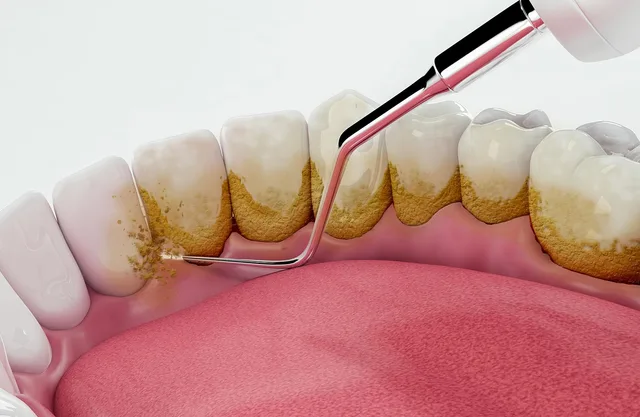
Cavities form when bacteria in dental plaque use sugars from food and drinks to produce acids. Over time, these acids remove minerals from the enamel. If this process continues, the tooth can develop a hole that may require dental treatment.
How Does Tooth Decay Start?
Tooth decay usually develops gradually.
- Bacteria form plaque on the teeth.
- Sugars from food and drinks help these bacteria produce acids.
- Repeated acid attacks weaken the tooth enamel.
- Early mineral loss may develop into a cavity if the process continues.
- Decay can spread deeper into the tooth if left untreated.
At the earliest stage, mineral loss may sometimes be managed or reversed with appropriate fluoride exposure and changes to oral hygiene and diet. Once a cavity has formed, however, a dentist may need to restore the damaged tooth.
What Happens If You Ignore a Cavity?
Ignoring a cavity allows tooth decay to continue progressing in some cases. The outcome depends on the depth of the decay, the tooth's condition, and individual risk factors.
1. The Cavity May Get Bigger
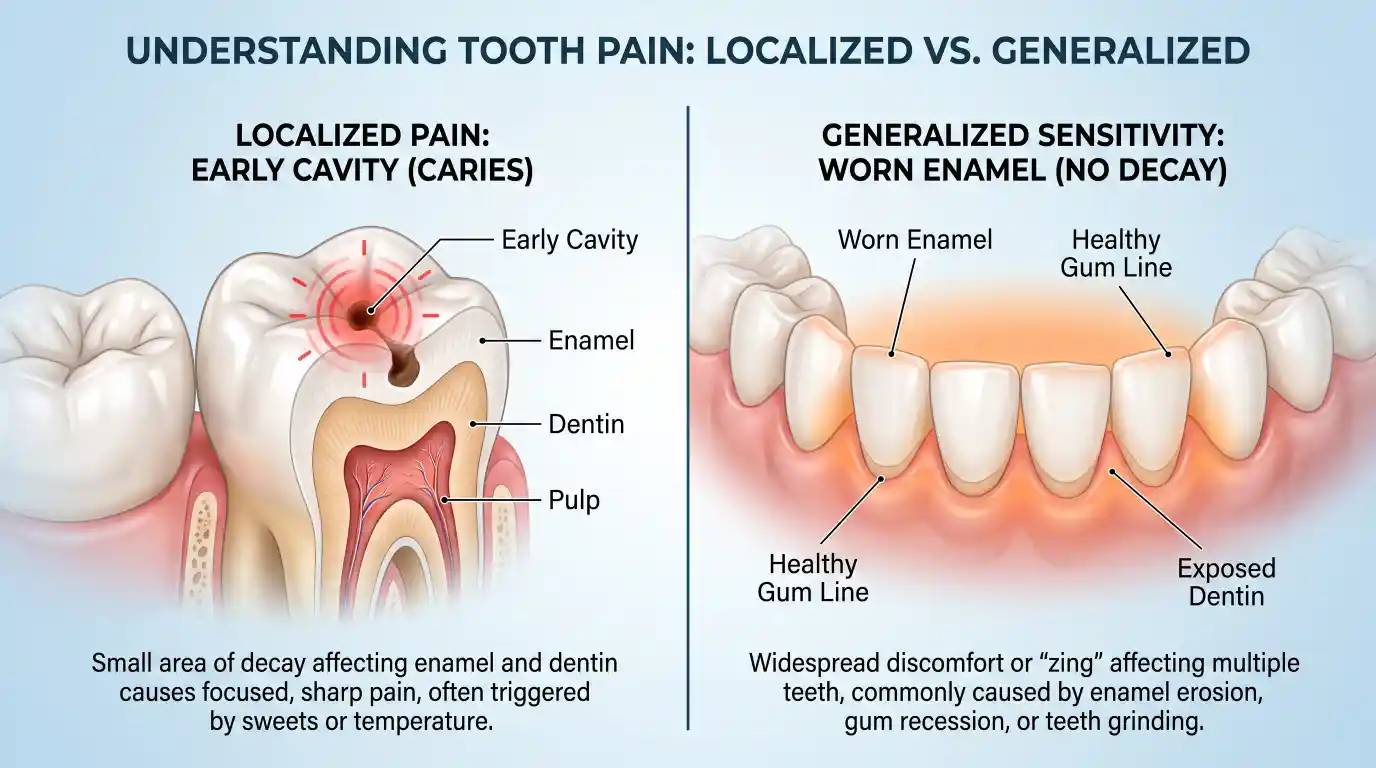
Early tooth decay may not cause any discomfort. As the damaged area grows, more of the enamel and underlying dentin can be affected.
A larger cavity may weaken the tooth and make treatment more complicated than it would have been at an earlier stage.
2. You May Develop Tooth Sensitivity
As decay moves beyond the enamel into the dentin, you may notice sensitivity when eating or drinking something hot, cold, or sweet.
Sensitivity does not always mean you have a cavity, but persistent or localised sensitivity should be checked by a dentist.
3. You May Experience Toothache
When decay becomes deeper, it can irritate the pulp, the soft tissue inside the tooth containing nerves and blood vessels.
You may experience a toothache that becomes more noticeable while chewing or eating. In some cases, pain can occur without an obvious trigger.
4. The Tooth May Need Root Canal Treatment
If decay reaches the pulp and causes irreversible inflammation or infection, root canal treatment may be needed to preserve the tooth when it can be predictably restored.
The dentist removes the affected pulp, cleans and seals the root canals, and restores the tooth.
Not every cavity requires a root canal. Treatment depends on how far the decay has progressed.
5. The Tooth Could Become Infected
Untreated decay can sometimes lead to an infection around the root of the tooth, potentially causing a dental abscess.
Possible symptoms include swelling, persistent pain, tenderness, pus, or an unpleasant taste in the mouth.
A suspected dental abscess needs prompt professional assessment.
6. You May Eventually Lose the Tooth
If decay causes extensive damage and the tooth cannot be restored, extraction may be necessary.
This is one reason why early dental treatment matters: addressing decay before it becomes extensive can help preserve the natural tooth.
Can a Cavity Get Worse Without Causing Pain?
Yes, a cavity can progress without causing noticeable pain.
The outer enamel does not contain nerves, so early decay may develop without any discomfort. Pain may appear only after the damage reaches deeper layers of the tooth.
This means that the absence of toothache does not necessarily mean that your teeth are healthy.
Regular dental examinations can help identify tooth decay before symptoms become obvious.
What Are the Warning Signs of an Untreated Cavity?
Not every cavity produces the same symptoms, but common warning signs include:
- Sensitivity to hot, cold, or sweet foods
- Toothache or discomfort while chewing
- White, brown, or dark spots on a tooth
- A visible hole or rough area
- Food frequently getting trapped in one area
- Pain that comes and goes
- Persistent discomfort in a particular tooth
These symptoms can have other causes, too. A dentist can examine the tooth and recommend diagnostic tests when necessary.
Can a Cavity Heal on Its Own?
An established cavity cannot usually repair itself naturally once a hole has formed in the tooth.
Early enamel demineralisation, before a cavity develops, may sometimes be reversed through remineralisation. Fluoride, good oral hygiene, and reducing frequent sugar exposure can help support this process.
However, once tooth structure has been physically lost, a filling or another restoration may be needed to repair the damage.
Avoid relying on home remedies to treat an established cavity.
How Is a Cavity Treated?
The right treatment depends on the extent of the decay and the condition of the tooth.
Early Tooth Decay
If the enamel has lost minerals but a cavity has not yet formed, the dentist may recommend fluoride treatment, improved oral hygiene, and dietary changes.
Small or Moderate Cavity
A dental filling can remove the decayed portion and restore the tooth's shape and function.
Deep Cavity
When decay approaches the pulp, the dentist must assess whether the pulp can be preserved or whether more extensive treatment is required.
Cavity With Pulp Infection
Root canal treatment may be recommended when the pulp is irreversibly inflamed or infected and the tooth can be restored.
Severely Damaged Tooth
If the tooth cannot be predictably restored, extraction may be necessary. The dentist can discuss replacement options if appropriate.
How Can You Prevent Cavities From Getting Worse?
Good daily habits can reduce your risk of tooth decay and help protect your teeth.
Brush Twice a Day
Use fluoride toothpaste and brush gently for around two minutes, paying attention to all tooth surfaces.
Clean Between Your Teeth
Use dental floss or suitable interdental brushes to remove plaque and food particles from areas your toothbrush may miss.
Reduce Frequent Sugar Consumption
Frequent sugary snacks and drinks expose teeth to repeated acid attacks. Reducing how often you consume them can help lower your risk of decay.
Drink Water Regularly
Water helps maintain moisture in the mouth and can help wash away food debris. Fluoridated water, where available, can also support tooth health.
Visit Your Dentist Regularly
Your dentist can assess your individual risk of tooth decay and recommend an appropriate checkup schedule.
When Should You See a Dentist for a Cavity?
Arrange a dental appointment if you notice a visible hole, persistent sensitivity, toothache, discolouration, or discomfort while chewing.
Do not wait for severe pain before seeking care.
If you develop facial swelling, fever with dental swelling, or signs of spreading infection, seek urgent dental care. Difficulty breathing or swallowing requires emergency medical attention.
Conclusion
A cavity may begin as a small area of tooth damage, but leaving it untreated can allow decay to progress and potentially lead to pain, infection, or tooth loss.
The earlier a cavity is identified, the more opportunities your dentist may have to treat it conservatively and preserve your natural tooth.
If you suspect you have a cavity, arrange a dental examination instead of waiting for symptoms to become severe. Good oral hygiene, sensible dietary habits, and regular dental care can all help protect your smile over the long term.